Featured: Charity Kneels at Our Feet
Five times a year, I share my writing in Cultivating, a lovely publication offered by Cultivating Oaks Press. Each edition is an absolute feast for the soul. Below are the opening few paragraphs of first essay for my new column, “Cultivating Character in Young Oaklings” for the Summer 2026 edition about Renewing Charity. You can read the full version of my article exclusively in the online edition. While you’re there, I hope you will enjoy the thoughtful, deep work of my fellow Cultivators. They are kind, wise, and stay close to Jesus’s side, and they have beautiful words to offer. Enjoy!
Cultivating Character in Young Oaklings is a column that celebrates the good gift and the sacred charge to the people of God to participate with Him in nurturing the youngest among us—our oaklings—toward transformation into the image of Jesus Christ. As those who belong to the One who called children to Himself and proclaimed that “the kingdom of heaven belongs to such as these” (Luke 18.6 NIV), we will explore what it means to invite children into Story of the restoration of all things, and how they might grow in Christ-like virtue as they take their God-given place in that Story.
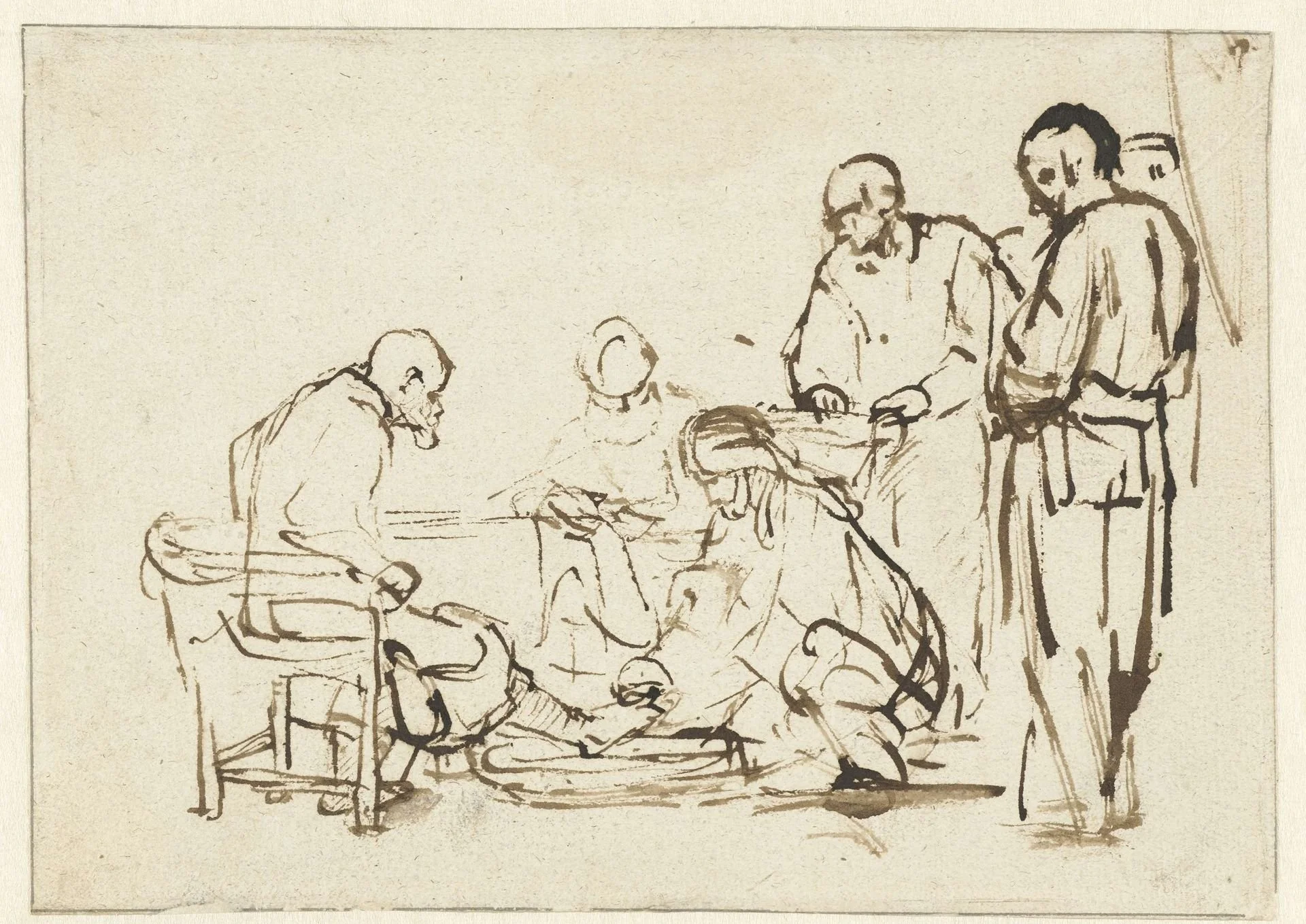
Every year, on the Thursday before Easter, my family of six files into our usual pew at our church, juggling bulletins, crayons, and snacks, just as we do on any given Sunday morning. But on this particular evening, we also come with fluffy towels and plastic tubs tucked under our arms.
This is no ordinary weeknight. It is Maundy Thursday, the day we remember the mandate Jesus gave on the night before He was betrayed, to love one another just as He has loved us. In a participation in and demonstration of this love, we do just what He did that long-ago Thursday night—we wash one another’s feet and receive communion together (see John 13.1-34, Luke 22.7-23).
And as if that weren’t special enough, this is the service each year when the cousins join us at our church—what joy!—along with aunts and uncles and Grandma and Grandpa.
After the sermon, the priest releases the congregation to the sides of the sanctuary where pitchers of warm water wait. The mass of Mellemas stand up together and shuffle across the aisle carrying towels and basins. We settle in as quickly as a crew with ten kids, ages ten and under, possibly can, shoes and socks a-flying. We pour the water into our plastic tubs, and then ensues the dearest chaos you ever did see:
The biggest cousins wash the baby cousin’s tiny toes, eliciting a fit of giggles.
The mother-in-law washes her daughter-in-law’s feet while she whispers to a little one that he’s about to put on his brother’s sock rather than his own.
The three littlest girls wash Grandpa’s feet then scooch over so the twins can dry them.
My husband washes my feet with the help of our youngest son, who looks up at me with his perfect hazel eyes and says, “I am doing this for you because I love you!”
I have to imagine this scene is more chaotic than when Jesus washed His disciples feet in the upper room. Yet even with the little-kid wiggles, accidental water sloshes, and misplaced shoes, repeating this act year after year as Jesus commanded is doing exactly what He intends it to do. It is shaping us as a people who imitate our Savior by lowering ourselves in love.
It is creating fertile soil in which the virtue of charity can grow.
Perhaps the use of the word “charity” in this context surprises you. It should. In our modern usage of the word, charity is a synonym for generosity, altruism, or fellow-feeling. This was the extent of my understanding of charity’s definition before preparing for this edition of Cultivating. But there are ancient riches to be discovered in this virtue. Much more than mere generosity, charity by its earliest definition shares the meaning of the Greek word agape, or the highest form of love. This love is selfless, unconditional, sacrificial. Charity is not merely giving your resources to those in need, as we currently think of this virtue, it is giving your very self, wholeheartedly, in love.